Process
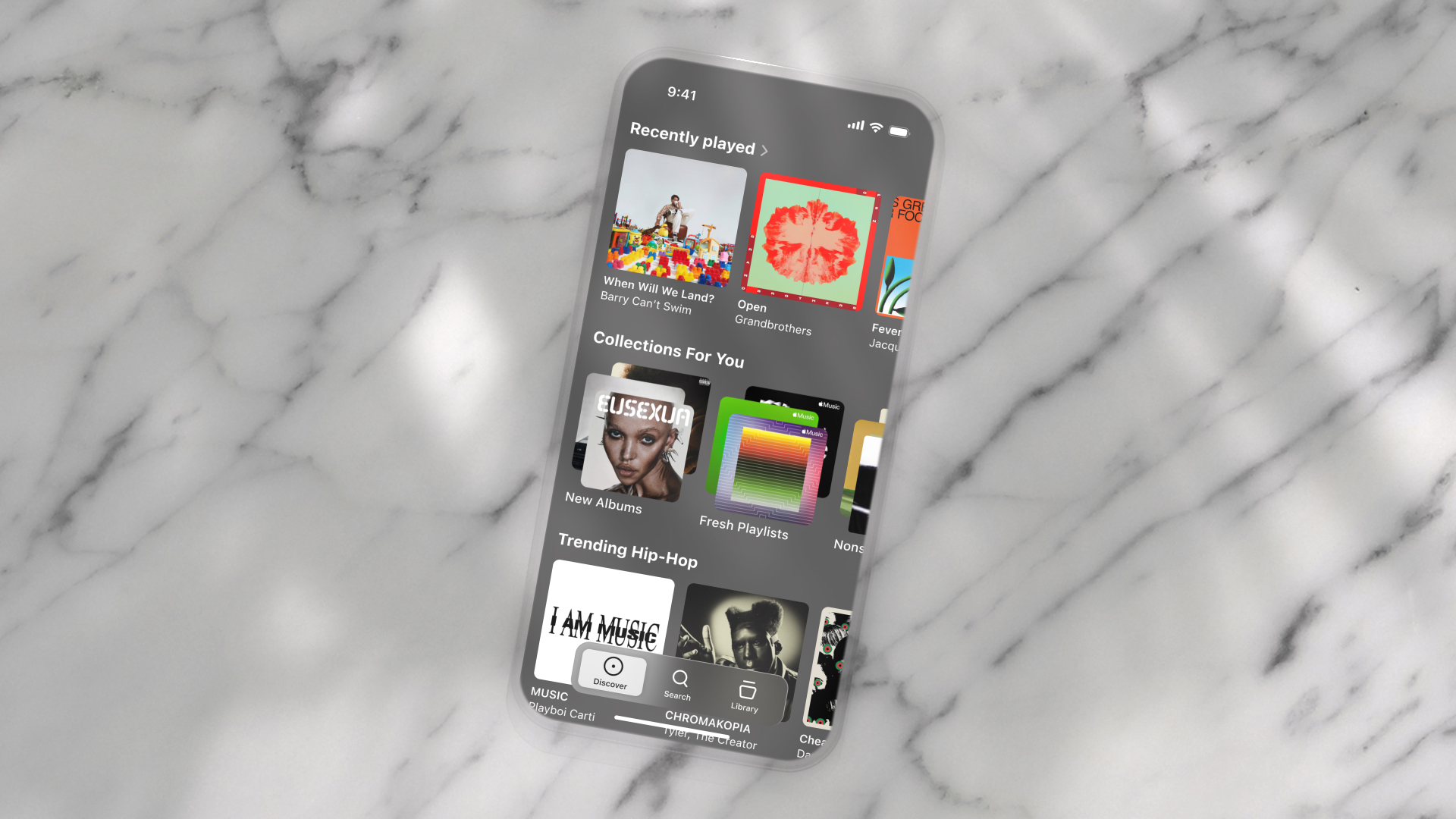
I began by blocking out the interaction model in Figma, testing how a grid could expand on tap and how tiles might autoplay when pressed or held. As I worked on the motion concept, a few unexpected issues came up - like how the stack would open from different positions in a carousel. When the preview opened, the tapped item needed to stay locked in place as the anchor for the expanding grid. Other items had to dynamically group around this anchor, forming a clear layout that kept the interaction feeling intentional. Once the grid was open, it also had to be immediately obvious which item was selected and how to exit back out of the view.With that solved, I built out the main screens and moved into After Effects to bring the interaction to life. Iterations focused on unifying cover sizes, refining focus states, and tuning timing and easing until the motion felt fluid and purposeful. The final prototype balanced clarity with playfulness - using motion to guide attention, keep navigation lightweight, and make audio discovery feel alive.